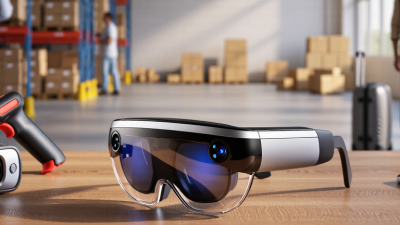
10 AI Smart Glasses Buying Tips for Global Buyers?
AI Smart Glasses are moving from experimental hardware toward practical tools for communication, navigation, translation, and hands-free work. Global buyers now face crowded product pages, unclear specifications, and different regional requirements. The market is growing, but the information is not always equally mature.
Reports from IDC’s Worldwide AR/VR Headset Tracker and Grand View Research indicate continued expansion in smart eyewear and extended-reality devices. Meanwhile, Counterpoint Research has highlighted strong consumer interest in camera-enabled smart glasses and voice-based features. These findings suggest real momentum, not just conference-room excitement. However, forecasts often combine different product categories. That makes direct comparison difficult.
Look closely.
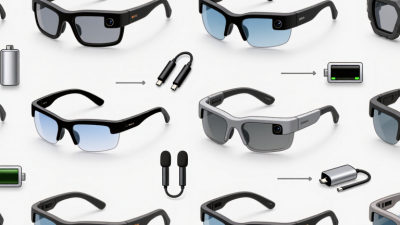
A suitable pair should match its daily environment. A warehouse worker may value impact resistance, battery endurance, and clear voice capture. A traveler may prioritize live translation, prescription-lens support, and reliable smartphone compatibility. Buyers should also check regional app availability, warranty coverage, charging standards, privacy indicators, and data-handling policies. Independent testing matters because a polished specification sheet cannot reveal uncomfortable nose pressure after six hours.
This guide presents ten practical AI Smart Glasses buying tips for international buyers. It connects market evidence with real purchasing decisions, including optical quality, connectivity, software support, durability, security, and after-sales service. Some recommendations will remain subjective. That is unavoidable. No single benchmark measures comfort, trust, and usefulness together. A careful buyer should question impressive claims, request verifiable documentation, and test the glasses under realistic lighting, noise, and temperature conditions. The best choice is rarely the most advanced model; it is the model that performs consistently in the buyer’s actual routine.
Read more »
 By:Clara
- October 16, 2026
 By:Everett
- October 11, 2026
 By:Amelia
- October 6, 2026