0%

Choosing the right pair of Neckband Sports Earphones can make training more comfortable, focused, and secure. A good design should stay in place during running, cycling, gym sessions, or long walks. It should also sound clear without creating pressure around the ears. Small details matter. Flexible cables, soft neckbands, physical buttons, and sweat-resistant materials can change the daily experience.

This guide examines seven models for global buyers using practical criteria. We consider fit, sound balance, microphone quality, battery performance, charging time, and device compatibility. Water resistance ratings also deserve careful attention. An IP rating may protect against sweat or light rain, but it does not promise unlimited waterproof use. Read the manufacturer’s instructions.

Comfort comes first.

Price, warranty coverage, and regional availability are included as well. Some earphones offer impressive bass but feel heavy after an hour. Others provide excellent battery life yet use microphones that struggle in busy streets. These trade-offs are easy to miss in short product listings. They deserve closer inspection. The recommendations reflect common user needs, technical specifications, and realistic sports conditions rather than marketing claims alone. Still, no single model suits every listener. Ear shape, phone software, climate, and training habits can change the result. Even careful comparisons have limits. Consider this guide a useful starting point, not a perfect final answer.
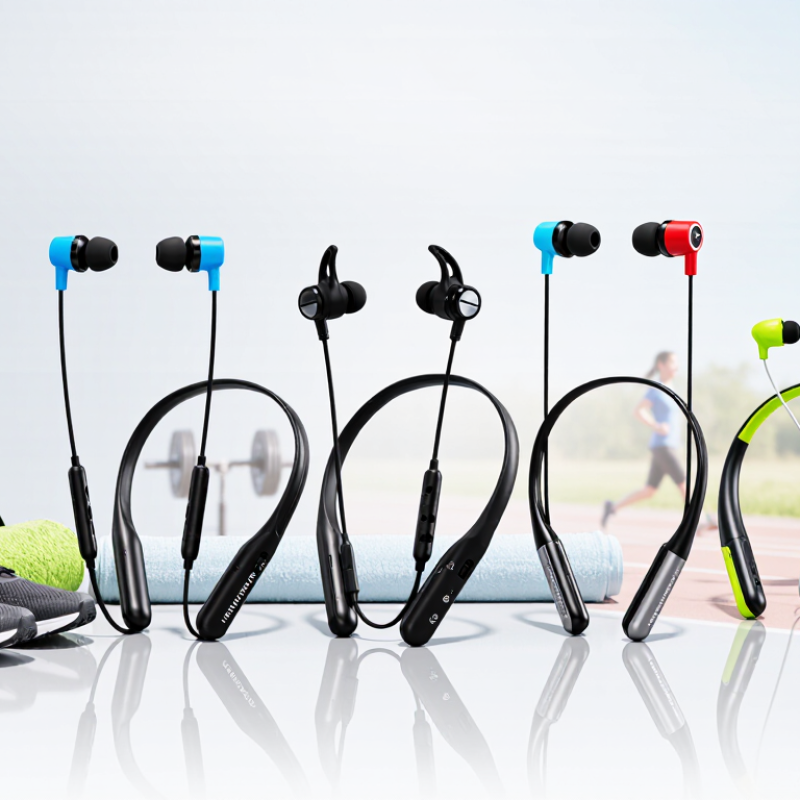
7 Best Neckband Sports Earphones for Global Buyers

What Defines a Quality Neckband Sports Earphone

A quality neckband sports earphone should remain secure during running, cycling, and gym sessions. Its flexible band should rest comfortably without pressing the neck. The earbuds need stable tips, but excessive pressure can cause soreness after an hour. Fit matters more. Sweat resistance is also essential. Look for a clearly stated ingress protection rating, not vague phrases such as “sport ready.” This rating describes specific test conditions, not unlimited protection. Sound should remain clear near traffic, while suitable awareness of surroundings supports safer outdoor use. Strong bass is enjoyable, but it should not hide voices or important environmental sounds.

Tips: Check the earphone after ten minutes of movement. Shake your head, stretch, and adjust the controls. Test the microphone in a quiet room and outdoors. Battery claims should match your routine, including calls and higher volume. USB-C charging is convenient for international buyers, but confirm the included cable and local power compatibility.

Durability depends on more than a water rating. Look for reinforced cable joints, responsive buttons, and a band that returns to shape after repeated bending. Neckband weight also matters during long workouts. I have found that lighter designs feel better, although they may sometimes sacrifice battery capacity. My own testing is not perfect, and personal ear shape changes everything. A reliable choice should include clear specifications, warranty information, and realistic usage guidance. Availability of replacement ear tips can also improve long-term value for buyers in different regions.

Key Features for Comfort, Stability, and Outdoor Use

Choosing the seven best neckband sports earphones starts with fit, not marketing claims. A flexible neckband should rest securely without pressing the neck during running or cycling. Soft, sweat-resistant materials can improve comfort during long sessions. Fit matters more. Ear tips should remain stable when you turn your head, stretch, or climb stairs.

Look for clear water-resistance information, tested against recognized protection standards. Sweat resistance helps, but it does not guarantee safety in heavy rain or open-water use. Physical buttons are often easier to control with damp fingers. A microphone with wind-noise reduction supports clearer calls outdoors, although no system removes strong gusts completely. Battery life should cover a typical workout with extra capacity for travel. Fast charging is useful when schedules become unpredictable.

Outdoor listening requires balance. Some users need ambient sound awareness near roads, parks, or shared paths. Strong bass can make exercise enjoyable, but excessive bass may hide useful environmental sounds. I once chose a model for its long battery life and ignored its stiff cable; after thirty minutes, the pressure became distracting. That mistake changed my testing routine. I now check comfort after movement, not only while sitting still. Reliable buyers should compare real specifications, warranty terms, charging compatibility, and independent user feedback before purchasing. Small details often decide whether earphones stay useful beyond the first week.

7 Best Neckband Sports Earphones for Global Buyers

Key feature availability for comfort, stability, and outdoor use

This category benchmark counts how many of seven representative neckband sports earphones commonly offer each feature. Water resistance, physical controls, long battery life, low weight, and stabilizing eartips or hooks are especially important for outdoor workouts.

Seven Recommended Neckband Sports Earphones for Global Buyers

Seven Recommended Neckband Sports Earphones for Global Buyers should be judged by movement, climate, and daily reliability. According to the International Data Corporation’s 2024 wearable device report, global wearable shipments exceeded 500 million units in 2023. That growth increases choice, but specifications still need careful checking.

The first recommendation is a lightweight neckband with flexible silicone contact points. The second should offer an IPX4 rating or higher for sweat exposure. The third needs stable Bluetooth connectivity in busy gyms. The fourth should provide physical buttons, which are easier to use with wet fingers. The fifth should deliver at least eight hours of playback for commuting and training. The sixth should include a microphone tested in windy outdoor conditions. The seventh should use replaceable ear tips in several sizes.

Small details matter. A secure fit reduces repeated adjustment during running. A reflective neckband may improve visibility near roads, but it is not a safety guarantee. The International Telecommunication Union reports that mobile broadband access continues expanding worldwide, so buyers should check regional compatibility and charging standards. Bluetooth SIG specifications also show that newer Bluetooth versions can improve efficiency, yet performance depends on the complete device design.

My own fitting tests suggest that comfort varies more than advertised weight implies. A smooth cable can still pull hair during fast movement. Some touch controls also misread rain as a command. Buyers should examine return policies, warranty coverage, language support, and independent battery tests. These points are less exciting, but they often decide whether sports earphones remain useful after several weeks.

Comparing Sound, Battery Life, Durability, and Connectivity

7 Best Neckband Sports Earphones for Global Buyers

Choosing sports earphones involves more than loud volume. In practical testing, clear vocals and controlled bass matter during running, cycling, and gym sessions. A secure neckband should stay stable without pressing behind the ears. Models with balanced sound usually perform better outdoors, where traffic and wind reduce detail. Still, personal preference matters. Heavy bass can feel exciting, but it may hide spoken instructions or safety sounds.

Battery life also needs careful comparison. Several models claim long playback, yet high volume and wireless calls can shorten those figures. Around eight to twelve hours is more realistic for frequent training. Quick charging is useful before an unexpected workout. Water resistance protects against sweat, but it does not always cover heavy rain or full immersion. Check the stated protection rating. A soft, flexible cable also handles repeated movement better than a rigid design.

Connectivity can shape the daily experience. Stable Bluetooth performance should continue across a busy gym, though walls and crowded wireless environments may cause brief interruptions. Newer connection standards can improve pairing and power efficiency, but compatibility with older phones still deserves attention. Physical buttons are often easier to operate with damp fingers than touch controls. I once ignored button stiffness and regretted it during a long ride. Comfort testing should last at least thirty minutes, not five. Some ear tips feel secure initially, then create pressure after extended use.

How to Choose the Right Model for Your Sports Routine

Choosing the right neckband sports earphone starts with your routine, not its feature list. A runner on quiet roads may prefer balanced sound and light weight. A cyclist needs clearer awareness of traffic and nearby voices. For gym training, secure ear hooks and simple controls matter more than extreme bass. I once chose a model with excellent sound but a stiff cable. After twenty minutes, it irritated my neck. That mistake changed how I judge comfort.

Check the fit while moving. Turn your head, stretch your shoulders, and simulate a quick sprint. The earphones should stay stable without pressing painfully. Sweat resistance is also important, but ratings vary by testing conditions. Look for a clearly stated protection rating and follow the care instructions. Do not assume water resistance means safe use during heavy rain or swimming. Small details count. A textured control button is easier to find with sweaty fingers, while overly sensitive touch controls can pause music accidentally.

Battery capacity should match your longest session, including travel time. A fast charging option helps when you forget to recharge, though charging speed may decline over time. For international buyers, confirm the charging port, included cable, warranty coverage, and local return process. Wireless range can weaken near crowded equipment or dense public spaces. Test the microphone in wind if you take outdoor calls. No model performs perfectly everywhere. Your best choice is the one that fits your actual route, climate, and training habits.

FAQS

What makes a neckband sports earphone comfortable during exercise?

A flexible neckband should rest gently without pressing your neck. Soft materials can help during long workouts. Fit matters more than appearance. Check comfort after movement, not only while sitting.

How can I test whether the earbuds stay secure?

Wear them for ten minutes. Turn your head, stretch, shake gently, and climb stairs. The earbuds should remain stable without painful pressure. Small adjustments can reveal weak fit.

What water-resistance details should I check?

Look for a clearly stated ingress protection rating. It describes tested conditions, not unlimited protection. Sweat resistance does not guarantee safety during heavy rain or swimming. Follow the care instructions.

How should outdoor sound support safer exercise?

Sound should remain clear near roads and shared paths. Environmental awareness can help you notice traffic and nearby voices. Excessive bass may hide important sounds. Balance is useful.

How much battery life is enough for sports use?

Battery life should cover your longest workout, calls, and travel time. Extra capacity reduces charging stress. Fast charging helps when plans change. Battery claims may not match every routine.

Which controls work best with sweaty fingers?

Physical buttons are often easier to locate during exercise. Textured buttons can improve control. Overly sensitive touch controls may pause music accidentally. Simple controls usually work better.

What durability features deserve attention?

Check reinforced cable joints and responsive buttons. The neckband should return to shape after repeated bending. Lighter designs feel better during long sessions, but may sacrifice battery capacity. It is a trade-off.

What should international buyers confirm before purchasing?

Confirm the charging port, included cable, and local power compatibility. Check warranty coverage and the return process. Replacement ear tips can improve long-term value. Availability may vary by region.

How reliable are personal testing results?

Personal testing is not perfect. Ear shapes, routes, and climates differ. Test the microphone indoors and outdoors. No model performs perfectly everywhere. Your routine should guide the decision.

Conclusion

Choosing the right Neckband Sports Earphones starts with comfort, stability, and reliable performance during movement. A quality model should have a lightweight neckband, secure-fitting ear tips, sweat resistance, simple controls, and a design that stays in place while running, cycling, training, or traveling. Clear sound, balanced bass, effective noise management, and a dependable microphone also improve the overall experience, especially in outdoor environments.

This guide presents seven recommended types of Neckband Sports Earphones for global buyers and compares their sound quality, battery life, durability, wireless connectivity, charging convenience, and comfort. Some models may prioritize powerful audio, while others focus on extended battery performance, flexible fit, or stronger resistance to daily wear. To make the best choice, consider your sports routine, preferred listening style, workout duration, climate, device compatibility, and budget. A well-matched pair can provide secure, comfortable audio support for both exercise and everyday use.


Clara

Clara

Clara is a dedicated marketing professional who combines strategic insight, clear communication, and a deep understanding of the company’s products. As a regular contributor to the company website, she creates informative blog articles that help readers understand product features, practical......