0%

Choosing Smart Shooting Headphones is not just a matter of picking the highest rating or the most features. A useful pair should reduce harmful impulse noise while keeping quiet speech and important surroundings audible. Fit matters. So does comfort after an hour at the range. Audiologist and hearing-protection specialist Elliott H. Berger has written extensively about hearing protectors; paraphrasing a practical lesson from his work, effective protection depends on a reliable fit and consistent use. A product that pinches behind the ear or shifts when you turn your head may stay in its case. That is a real trade-off.

Look closely at the noise-reduction rating, but do not treat one number as a guarantee of protection in every situation. Check whether the cups seal around your ears, especially if you wear glasses. Try the controls with gloves, and listen for clear, natural ambient sound rather than loud, tinny amplification. Small details count: a soft headband, a firm but comfortable seal, and buttons you can find without looking. Battery life and simple charging matter, too. Very much.

This guide will compare the features that affect comfort, communication, durability, and everyday usability. It will also explain what specifications can—and cannot—tell you. No model is perfect. A headphone may sound clear yet feel bulky, or fit well but have awkward controls. Those compromises deserve a closer look before you choose. The right decision should support attentive, responsible hearing protection, not replace it.
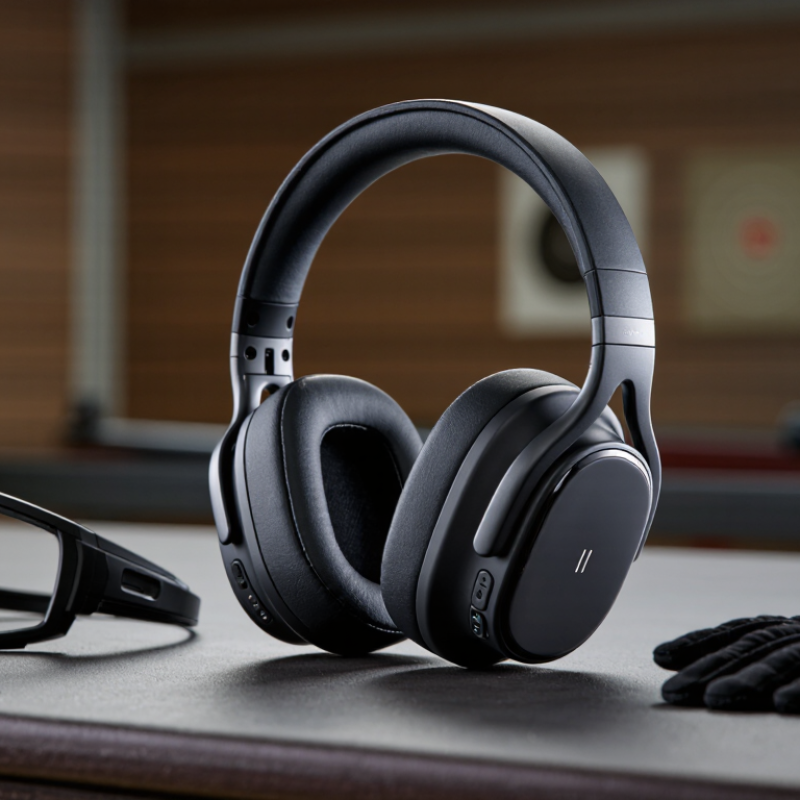
How to Choose the Best Smart Shooting Headphones

Understanding Smart Shooting Headphones and Their Core Features

Smart shooting headphones combine hearing protection with electronics that make selected quiet sounds easier to hear. Small microphones can bring in conversation or range instructions, while the cups reduce exposure to loud impulse sounds. These functions vary by model, so check the published attenuation rating and read how the manufacturer describes its protection. A rating is a useful reference, not a promise of identical results for every wearer.

Fit matters. The cushions should seal around your ears without gaps; glasses arms, hair, or a shifted headband can weaken that seal. Not magic. Try the headphones with your usual eyewear and check for pressure points before a long session. Controls should be easy to locate by touch, and the volume should adjust smoothly rather than jump suddenly. Battery life, microphone clarity, and replaceable cushions also affect daily use. Bluetooth can be convenient, but it is not essential to hearing protection. I would treat extra features as secondary until the fit feels secure and the sound remains comfortable. A quick fit check each time is easy to overlook.

Evaluating Hearing Protection and Sound Amplification

How to Choose the Best Smart Shooting Headphones

Good hearing protection starts with a reliable seal around each ear. Glasses, hair, or a worn cushion can leave small gaps. Check the protection rating, but remember that real-world fit matters too. A high rating cannot compensate for a poor seal. Fit matters.

Smart headphones should reduce sudden, hazardous noise while making quieter sounds easier to hear. Look for clear, natural amplification rather than simply louder audio. Speech should remain understandable without making every rustle distracting. A volume limiter and fast response to sharp sounds are useful features. Test the controls in a quiet setting before relying on them.

Comfort affects protection over time. A tight headband may become tiring, while loose cups can shift when you move. Try the headphones with your usual eye and head protection, and check that the seal stays intact. If you notice ringing or muffled hearing afterward, treat that as a warning—not a normal trade-off. No setting is perfect; it is easy to trust amplification too much. Keep volume moderate, replace damaged cushions, and follow the manufacturer’s fitting and care instructions.

Choosing the Right Fit, Comfort, and Controls

A secure seal matters more than a soft first impression. Try the headphones with your usual eye protection; glasses arms can create tiny gaps beneath the ear cups. Move your jaw, turn your head, and check that the seal stays even. No pinching. If pressure builds after ten minutes, it may become hard to ignore during a longer session. NIOSH’s 1998 Criteria for a Recommended Standard: Occupational Noise Exposure recommends limiting workplace noise exposure to 85 dBA over eight hours, using a 3 dB exchange rate. That guidance is not a personal safety guarantee, but it explains why fit and protection ratings deserve careful attention.

Comfort is practical, not cosmetic. Look for breathable cushions, an adjustable headband, and enough room to wear safety glasses without breaking the seal. Controls should be easy to find by touch, even with gloves; tiny, similar buttons are frustrating. Check that volume and listening modes are clear before use. An advertised reduction rating cannot tell you how well a particular pair fits your head. I’d avoid judging comfort from a quick try-on alone. Give it a little time. Also check whether the controls are usable without lifting an ear cup, since a brief adjustment can interrupt the seal.

Comparing Connectivity, Power, and Durability

How to Choose the Best Smart Shooting Headphones

Connectivity, Power, and Durability

Connectivity should make essential controls simple, even with gloves on. Check whether wireless audio reconnects reliably and whether volume controls are easy to distinguish by touch. Keep ambient sound processing separate from hearing protection: amplification does not replace a properly fitted, independently rated protector. The CDC’s NIOSH Criteria for a Recommended Standard: Occupational Noise Exposure sets an 85 dBA recommended exposure limit for an eight-hour workday, using a 3 dB exchange rate. That workplace guidance is a useful reminder that exposure adds up, not a guarantee of safety in every setting.

Power deserves a practical check. Look for a clear low-battery warning and a backup option, such as replaceable batteries, if available. A dead battery should not leave you guessing about protection. For durability, inspect the hinge, battery door, and ear cushions; these parts take repeated handling. An ingress-protection rating can describe resistance to dust or water, but it does not prove impact resistance or long-term reliability. Fit matters, too. A cushion gap from glasses can weaken the seal.

Matching Headphones to Your Shooting Activities and Budget

Choose smart shooting headphones around the activity, not the feature list. At a range, clear speech and quick controls can matter more than elaborate settings. Outdoors, a stable fit and weather-resistant construction may be worth the extra cost. Electronic models can make ordinary sounds easier to hear while limiting loud impulse noise, but they are not all equally protective. Check the stated protection rating and follow the fit instructions. Fit matters.

For clay practice or long training sessions, comfort becomes a practical safety concern. A tight headband may feel fine in a shop, then pinch after an hour. Try the cups with your usual eye and head protection, if possible. Hunters may prefer a lower-profile design that does not interfere with shouldering equipment. I still find small buttons fiddly with gloves, so test the controls before buying. That detail is easy to miss.

A modest budget can cover the essentials: dependable sound protection, a secure seal, and simple volume controls. Spending more may bring rechargeable power, better comfort, or clearer environmental audio, but those upgrades are useful only if you will use them. Compare replacement battery costs and warranty terms, too. Avoid choosing by price alone; a poor seal can undermine otherwise capable protection. And if the fit feels uncertain, pause and reassess.

How to Choose Smart Shooting Headphones

Match hearing protection to your shooting activity and budget

How to read this chart: Bars show approximate peak sound-pressure ranges at the shooter’s position. Actual levels vary with the firearm, ammunition, surroundings, and measurement method.

Choosing by activity and budget: For any firearm, prioritize a secure fit and certified hearing-protection rating. If your budget allows, look for electronic models with clear ambient-sound amplification, quick sound compression, and comfortable controls. For high impulse-noise exposure, consider using earplugs together with earmuffs; electronic features do not replace hearing protection.

Impulse peak levels are not directly comparable to time-weighted occupational exposure limits. Follow the manufacturer’s instructions and applicable hearing-safety guidance.

FAQS

How do smart shooting headphones work?

Small microphones make selected quiet sounds, such as conversation, easier to hear. The ear cups reduce exposure to loud sounds.

Does a protection rating guarantee the same results for everyone?

No. The rating is a reference, and fit affects real-world protection. A high rating cannot fix a poor seal.

How can I check whether the ear cups fit properly?

Wear your usual glasses and head protection. Check for gaps, pressure points, or cushions that shift when you move. Small gaps matter.

Should amplified sounds be turned up high?

Keep volume moderate and choose clear, natural speech rather than maximum loudness. A volume limiter and fast response to sharp sounds can help.

Is wireless connectivity essential?

No. Wireless audio can be convenient, but it is separate from hearing protection. Controls should remain easy to find by touch, even with gloves.

What should I check about the battery?

Look for a clear low-battery warning and a backup power option, if available. Check the manual. Runtime varies with volume and settings.

Which parts may need regular inspection?

Check the ear cushions, hinges, and battery door for wear or damage. Replace worn cushions, since they may affect the seal.

What should I do if my hearing feels muffled afterward?

Treat muffled hearing or ringing as a warning, not a normal trade-off. Review the fit and instructions. I would not dismiss it.

Conclusion

Choosing the best Smart Shooting Headphones starts with understanding how they balance hearing protection and sound amplification. Look for models that help reduce sudden, harmful noise while allowing quieter sounds and conversation to remain clear. Consider how quickly they respond to loud sounds, whether their controls are easy to use, and how comfortably they fit during extended wear. A secure fit and simple adjustments can make a noticeable difference in both comfort and dependable protection.

Next, compare connectivity, battery life, charging options, and resistance to dust or moisture. Think about where and how often you plan to use the headphones, since different shooting activities may call for different levels of comfort, durability, and features. Set a budget before comparing options, and prioritize reliable protection and a suitable fit over extras you may not need. The right choice is one that matches your needs and is comfortable enough to use consistently.


Clara

Clara

Clara is a dedicated marketing professional who combines strategic insight, clear communication, and a deep understanding of the company’s products. As a regular contributor to the company website, she creates informative blog articles that help readers understand product features, practical......